
Why Timed Language Exchange Works Better

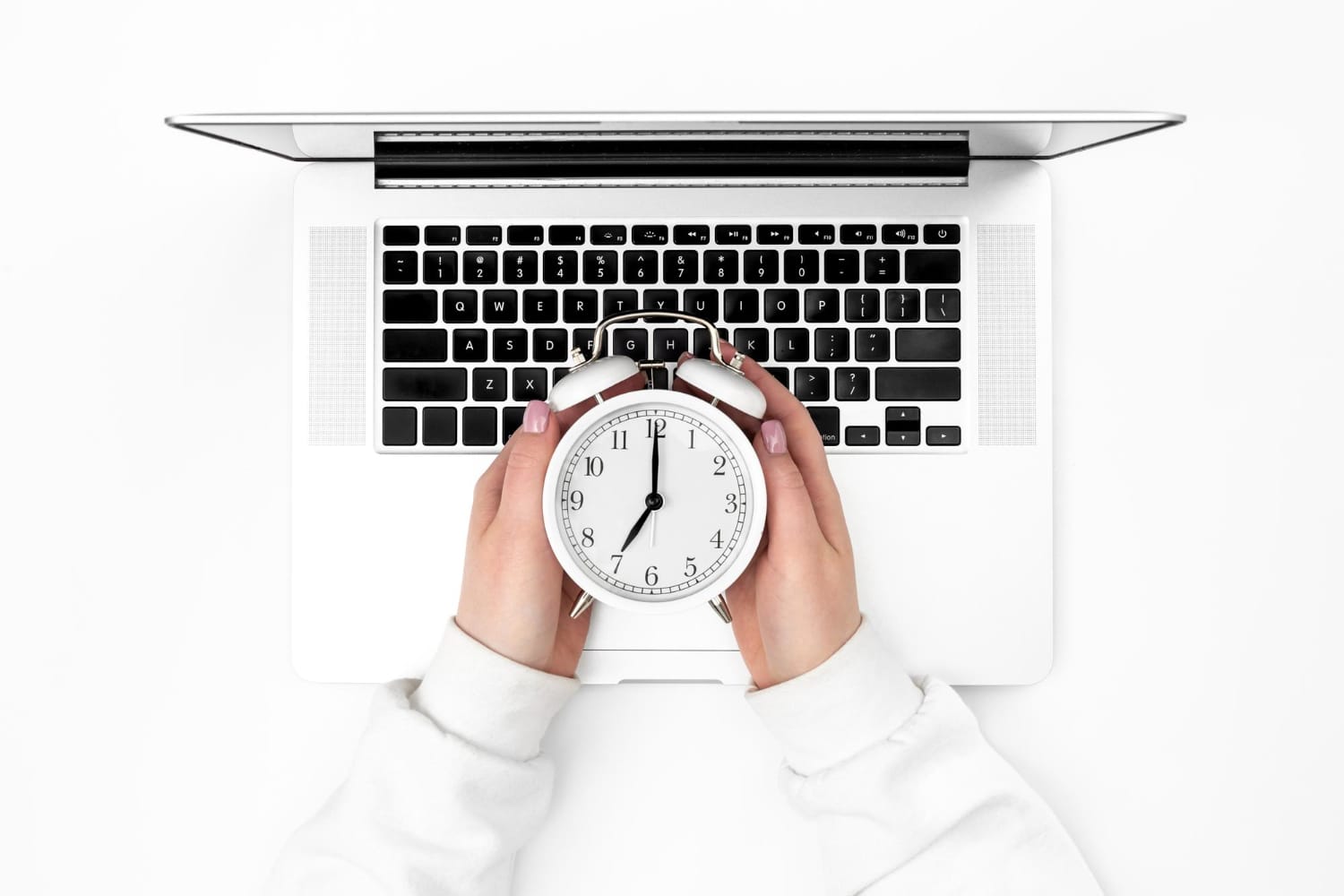
Language exchange works best when both people get equal time to practice. Without a clear structure, sessions can easily become unbalanced or unfocused. This is why timed language exchange is so effective.
Here’s why using time-based practice leads to better results.
1. It Creates Fair Practice
A timer ensures that both partners get the same amount of time in their target language. Everyone knows when their turn starts and ends, which removes guesswork and keeps sessions balanced.
Fair practice helps build trust and makes language exchange more enjoyable for both sides.
2. It Improves Focus
When you know you have a set amount of time, you tend to stay more focused on speaking. Timed sessions reduce distractions and encourage you to make the most of each minute.
This focus leads to more active speaking and better engagement.
3. It Reduces Awkward Transitions
Switching languages can feel unclear without a signal. A timer creates a natural and smooth transition between languages.
Instead of interrupting the conversation, the session flows naturally from one language to the other.
4. It Encourages Consistency
Timed sessions make it easier to plan short, regular practice. Even 10 or 15 minutes per language can be very effective when done consistently.
This makes language exchange easier to fit into busy schedules.
5. It Builds Confidence Over Time
Knowing that you have dedicated time to speak helps reduce hesitation. You are more likely to express yourself freely when you know the focus is on your language practice.
Over time, this repeated structure builds confidence and fluency.
A Simple Structure That Works
Timed language exchange adds clarity and balance to every session. With a clear start, a clear switch, and equal practice time, both partners can focus on speaking and improving together.
Using tools that support timed practice makes language exchange simpler, more effective, and easier to maintain over time.